Bed covers serve as a foundational layer of a bedding setup, providing a cohesive look while protecting blankets and sheets. This category highlights fabrics, textures, and construction details that influence warmth, durability, and care requirements. Understanding stitch patterns, weight classifications, and material blends helps buyers select options suitable for different climates and sleep preferences.
Common materials for bed covers include cotton, linen, and cotton blends, each offering distinct breathability and softness. Matelassé weaves create a quilted, padded texture without an extra batting layer, delivering a lightweight, structured finish. For nurseries and sensitive sleepers, organic and low-sheen finishes reduce irritants and promote a calmer sleep environment.
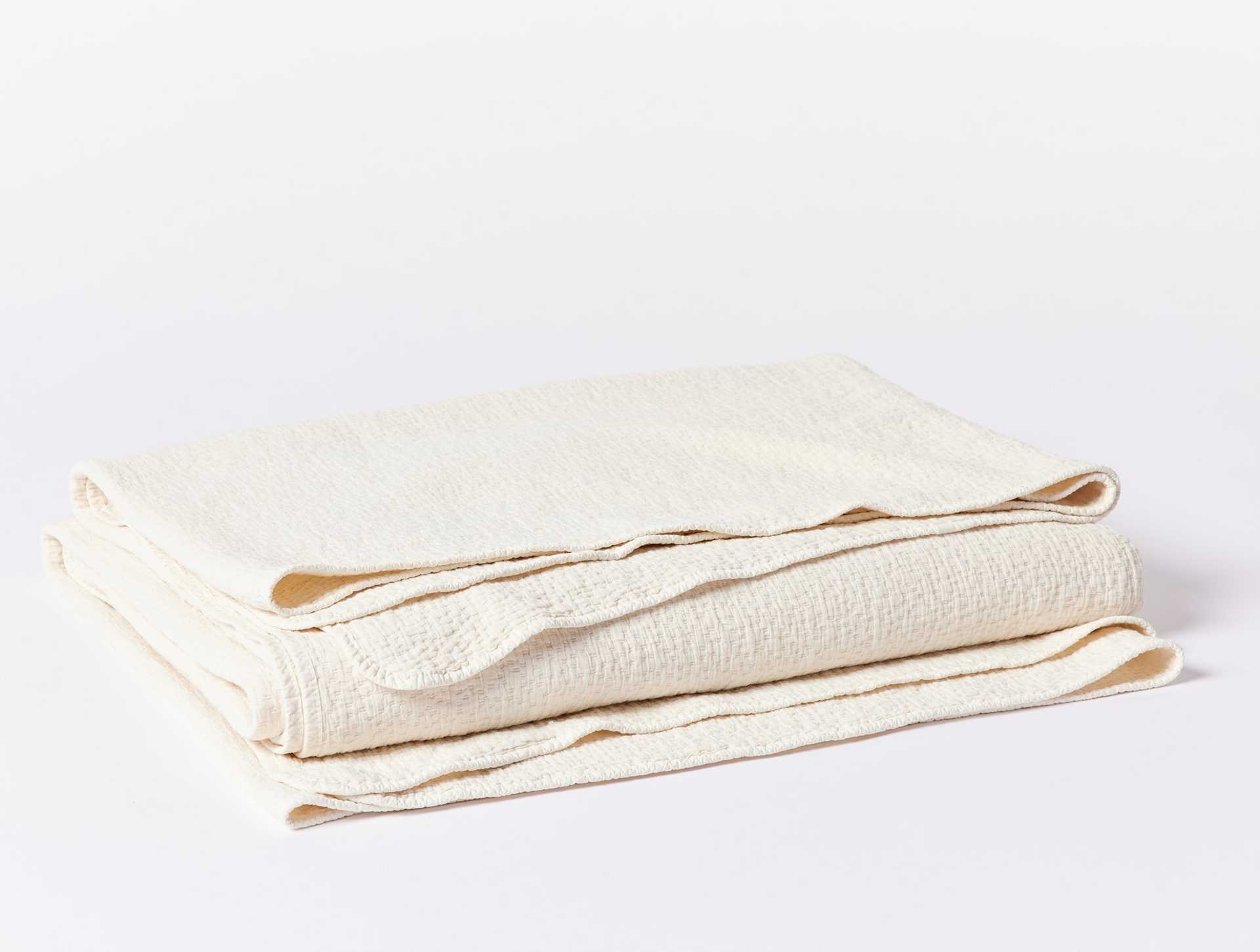
The Cascade Organic Matelasse Coverlet exemplifies key features such as a durable matelassé weave, a breathable cotton organic fiber composition, and a clean, timeless silhouette. Functional benefits include easy laundering, consistent warmth without bulk, and a tactile surface that adds visual interest to a bedding ensemble. It pairs well with a variety of sheets and pillows.
Care considerations for bed covers emphasize gentle washing cycles, appropriate water temperatures, and line or low-heat drying to maintain texture and prevent pilling. Organic options often meet stringent fiber standards, supporting sustainability goals while remaining soft and durable after repeated laundering. Noting color-fastness and fade resistance can guide long-term use decisions.
In addition to main covers, related categories such as duvet covers, sheets, and nursery bedding intersect with overall sleep comfort. Understanding layering, compatibility with pillows, and the role of moisture-wicking or thermal properties helps clarify how bed covers contribute to a balanced sleep environment across seasons.
 Bedding
