Bedding • Practical guide
Duvet Covers and Bed Skirts: A Simple Guide to Proportion and Layering
A bed feels most composed when its layers work together: the duvet falls with an easy drape, the skirt meets the floor at the right point, and neither element competes with the other. A few careful measurements and considered fabric choices can turn these everyday pieces into a balanced, practical arrangement.
Start with the shape of the bed
A duvet cover and a bed skirt occupy different parts of the bed, but they are seen together as one silhouette. The cover softens the upper surface and drapes over the mattress edges; the skirt fills the space between the mattress and floor. When their proportions are coordinated, the bed looks settled rather than assembled from separate parts.
The first step is not choosing a color. It is understanding the bed beneath the linens. Mattress width and length matter, but so do mattress depth, any topper, the height of the bed frame, and the position of the box spring or platform. A thick mattress can lift a skirt higher than expected. A tall frame can leave a conventional skirt hanging above the floor. A duvet sized for a smaller mattress may also look skimpy once it is spread over a deep mattress.
Think of the bed as a series of measurements. The mattress establishes the top plane, the duvet cover sets the outline of the bedding above it, and the bed skirt defines the lower edge. Measure each component in place, rather than relying on the label alone. Standard size names are useful, but dimensions can vary by maker and by style.
Measure before choosing a duvet cover
A duvet cover should fit the insert it is designed to hold. If the cover is substantially larger, the insert can shift inside, leaving empty corners or a loose, rumpled appearance. If it is too small, the fill may compress, the seams may feel strained, and the cover can be difficult to close neatly.
Measure the insert from edge to edge while it lies flat, without stretching or compressing it. Compare those figures with the duvet cover’s finished dimensions. A small difference may be intentional: some people prefer a snug cover that keeps the insert looking plump, while others like a little extra room for a softer drape. The important point is to check the dimensions rather than assume that two products marked “Queen” or “King” will match exactly.
Also consider the bed itself. The duvet’s side drop is the distance from the top of the mattress to the lower edge of the cover. It depends on the cover’s width, the mattress width, and how the duvet is positioned. A generous drop can create a relaxed, enveloping look, but a very long one may obscure a bed skirt or brush against the floor. A shorter drop reveals more of the skirt and can feel crisp and tailored.
To estimate the side drop, subtract the mattress width from the duvet cover width and divide the result by two. This is only a planning guide: the cover may not be centered, the insert may loft differently, and the bed may have a thick topper. Once the bedding is on the bed, check the actual fall on both sides.
- Measure the insert, not just the mattress, when checking duvet-cover fit.
- Check the manufacturer’s finished dimensions, especially when mixing brands.
- Allow for loft: a thick comforter occupies more space than a flat blanket.
- Confirm that the cover has internal ties or another fastening method if the insert tends to migrate.
Find the right bed skirt fit
A bed skirt is usually judged by its drop: the vertical distance from the top of its platform or foundation to its hem. To estimate the drop you need, measure from the surface where the skirt will rest down to the point where you want it to finish. This may be the floor, or it may be a little above it.
A skirt that just grazes the floor creates a continuous, grounded line and can conceal the frame or under-bed storage. A slightly shorter skirt is easier to keep clear of dust and floor coverings, and it is less likely to catch beneath a bed leg. If you store baskets or boxes below the bed, measure their height too. The skirt should provide enough coverage for the room’s appearance without making access unnecessarily awkward.
Check how the skirt attaches. Some designs sit between the mattress and foundation; others use adjustable panels, corner straps, or a wraparound construction. The attachment method affects whether the skirt stays aligned when the bed is made or when the mattress is moved. A traditional platform may also be difficult to reposition on a heavy bed, so consider how often you expect to lift the mattress.
Bed frames with footboards, side rails, or unusual shapes may need a skirt designed for that configuration. Before ordering, note whether the skirt has a split at the corners, how its panels are arranged, and whether the platform fabric will be visible. These practical details can matter as much as the color or decorative finish.
Balance the duvet drop and skirt length
The relationship between the two hems determines much of the bed’s visual balance. If the duvet hangs low and the skirt is also long, the skirt may disappear from view. That can be a deliberate look, but it may also make the lower portion feel crowded. If both layers end well above the floor, the bed frame becomes more visible and the arrangement can seem visually unfinished.
For a clearly layered effect, let the duvet cover finish above the bed skirt’s hem. The skirt remains visible as a narrow frame around the base, while the duvet defines the softer upper outline. This approach works especially well when the skirt has a subtle texture, a clean pleat, or a color that gently contrasts with the duvet.
For a more continuous silhouette, choose a duvet with a generous drop and a skirt that sits close to the floor. The bedding then reads as a single, calm shape, with the skirt doing its practical work quietly underneath. In either case, make the decision intentionally: spread the duvet evenly, check both sides, and adjust the position of the insert before deciding whether the lengths feel right.
Furniture scale provides another useful guide. A tall bed with a substantial headboard can carry a fuller duvet and a longer skirt. A low platform bed may look better with a shorter, more controlled drop. The goal is not to follow a rigid rule, but to keep the bedding’s outline in proportion to the frame and the room.
Choose fabrics that work as a pair
Texture is often more important than an exact color match. A crisp percale duvet cover, for example, gives the bed a cool, matte surface. Paired with a smooth, plain skirt, it creates a quiet, tailored look. A textured cover can carry more visual interest, while a simple skirt keeps the lower half from feeling busy.
Cotton is a versatile choice for both components. It comes in a range of weaves and finishes, from crisp percale to smoother sateen. The weave influences the fabric’s hand and appearance, while the care label explains how it should be washed and dried. If the duvet cover will be laundered frequently, a practical, machine-washable fabric may make maintenance easier. The skirt may need less frequent washing, but it can still collect dust near the floor.
Linen and linen blends bring a naturally relaxed surface and can suit bedrooms where a little rumpling is part of the look. Flannel offers a warmer, brushed feel that may be welcome in colder seasons. These fabrics do not need to match the skirt exactly; a shared undertone or a related texture can be enough to make the combination feel considered.
Color can unify bedding without making every layer identical. Try a pale duvet with a slightly deeper neutral skirt, or keep both light and introduce contrast through shams or a folded coverlet. Repeating one color in a small detail—such as an edge, a pillowcase, or a narrow trim—can link the pieces without turning the bed into a matching set.
Natural-fiber collections such as Coyuchi’s are useful reference points when comparing organic cotton, weave, finish, and care instructions. When considering Coyuchi duvet covers, read the product details for actual dimensions, fabric construction, fastening features, and laundry guidance. A fiber description alone does not tell the whole story: weave, weight, and finishing all shape how a cover feels and behaves in use.
Build layers with a clear purpose
Layering works best when each piece has a job. The fitted sheet covers the mattress. The top sheet, if used, creates a washable layer between the sleeper and the duvet. The duvet cover protects the insert while providing the bed’s main surface. A coverlet or blanket can add warmth or a finishing fold, while the bed skirt conceals the base and frames the lower edge.
More layers do not automatically make a bed more comfortable or more polished. Too many can obscure the duvet’s shape, crowd the foot of the bed, or create extra laundry. Begin with the pieces you use every night, then add only what improves comfort or appearance. A light coverlet folded across the lower third can introduce texture without hiding the duvet. A bed skirt should remain a supporting element, not a competing focal point.
Pay attention to fastening details. Internal ties in the duvet cover can anchor loops on the insert and help prevent bunching. Buttons, snaps, or a zipper close the cover, but the opening should be easy to manage during laundering. Before making the bed, shake the insert gently into place and secure its corners. This small routine often improves the drape more than adding another decorative layer.
Care labels are part of the design decision
Bedding that is simple to maintain is more likely to stay fresh and look its best. Read the care instructions before purchase, especially if the duvet cover or skirt is a delicate fabric, has decorative trim, or requires a particular drying method. Washing temperatures, bleach guidance, and dryer settings vary. Follow the label for the specific item rather than assuming that all cotton or linen can be treated alike.
Use a duvet cover to protect the comforter insert from everyday soil. The cover can usually be removed and laundered more readily than the insert, but its ties and closures should be checked before washing. Close zippers or buttons according to the manufacturer’s directions, and avoid overloading the machine so the fabric can move freely.
A bed skirt sits close to the floor, where it may encounter dust, pet hair, or the edges of rugs. Periodic vacuuming with an upholstery attachment can help between washes. If the skirt is removable, confirm how it should be laundered and whether it needs ironing or reshaping. A skirt that is clean but twisted or uneven may still make the whole bed look untidy.
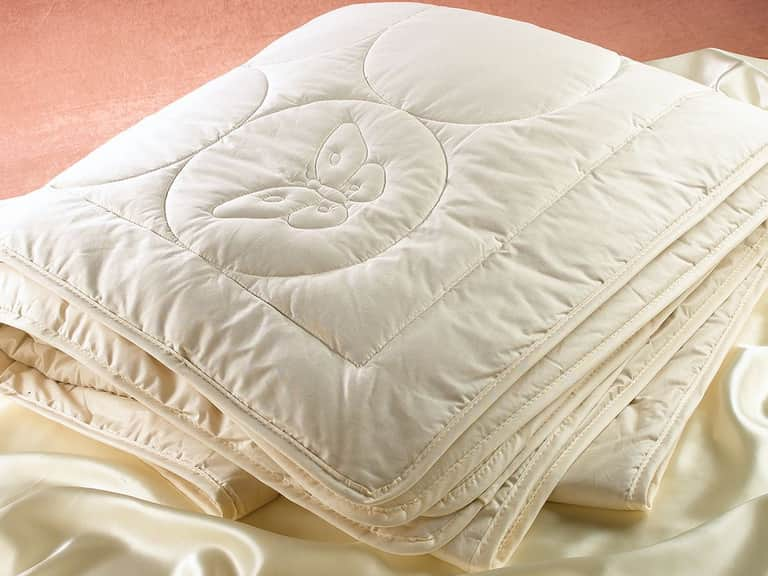
Comforter construction also influences the layers above it. A silk-filled option such as the DownTown Company Natural Silk Year Round Comforter is described as lightweight and breathable, with dry cleaning recommended. Because its care differs from that of a routinely washable duvet cover, keeping it inside a protective cover can help reduce the need for cleaning. Always confirm compatibility between the insert’s dimensions and the duvet cover you plan to use.
A straightforward fitting checklist
Before settling on a duvet cover and bed skirt, walk through the bed as it is actually used. The following checks help catch common mismatches before they become daily annoyances:
- Record the bed’s dimensions: Measure mattress width, length, and depth, including any topper.
- Check the insert: Compare its actual dimensions with the duvet cover rather than relying only on shared size names.
- Estimate the duvet drop: Consider how much coverage you want at the sides and foot of the bed.
- Measure the skirt drop: Measure from the skirt’s resting surface to the desired hem position.
- Look at the frame: Note rails, footboards, platform construction, and under-bed storage.
- Review the fabric: Compare weave, weight, texture, and care requirements.
- Inspect the fastenings: Look for internal ties, corner loops, and a closure that suits your routine.
- Make the bed and reassess: Check the drape from the front and both sides once the insert is secured.
Common problems, and how to adjust them
The insert bunches inside the cover
First check whether the cover and insert dimensions are compatible. Then secure the corners using the ties or loops provided. Shake the duvet from the foot of the bed so the fill moves evenly toward the corners. If the insert continues to slide, the cover may be too large, or the fastenings may not be attached correctly.
The duvet hides the bed skirt
Re-center the duvet and check whether the insert has shifted toward the sides. If the cover still falls too low, decide whether you prefer a more visible skirt or a fuller duvet drop. A shorter cover or a different size may create a clearer border, but verify the dimensions before changing sizes.
The skirt floats above the floor
Measure from the actual support surface, not from the top of the mattress. A topper or thick mattress may change where the skirt rests, and a tall frame can require a longer drop. If the difference is small, an adjustable attachment may help; otherwise, select a skirt with the correct finished measurement.
The bed looks too busy
Reduce the number of competing patterns and textures. Keep one layer prominent, then let the other pieces provide a quieter background. A patterned duvet can pair with a solid skirt; a textured cover can be balanced by smooth, plain linens. Repetition of color is usually more restful than repeating every pattern.
A finished bed that works beyond the photograph
The most successful bedding arrangement is not simply attractive from the doorway. It should be comfortable to sleep under, straightforward to wash, and practical to live with. A bed skirt should not obstruct a drawer or drag beneath a bed leg. A duvet cover should allow the insert to settle without constant adjustment. Fabrics should suit the climate and the household’s laundry habits.
Use proportion as the starting point: measure the mattress and insert, calculate the desired drop, and check the skirt against the frame. Then bring in texture and color in a way that supports the bed’s outline. Natural fibers, including the organic cotton options found in collections such as Coyuchi, can offer a useful range of textures and finishes, but the right choice is the one whose dimensions, care instructions, and feel suit your room and routine.
When the measurements are right, the layers settle into their roles. The duvet makes a comfortable, changeable surface; the skirt gives the bed a composed base. Between them is a simple design principle with lasting value: let each piece fit well, serve a purpose, and leave enough space for the bed to feel like a place to rest.
Frequently asked questions
Should a duvet cover match the bed skirt?
Not necessarily. Coordinating undertones, repeating a color, or pairing complementary textures can create a cohesive look without an exact match. A simple skirt often balances a more expressive duvet cover.
How much should a duvet cover hang over the mattress?
There is no single correct drop. The ideal amount depends on mattress depth, insert loft, bed-frame height, and personal preference. Measure the cover and mattress, then check the drape on the assembled bed.
How do I know what bed skirt length to buy?
Measure vertically from the surface where the skirt will sit to the point where you want its hem to end. Account for the frame and mattress arrangement, and decide whether you want the hem to touch the floor or finish slightly above it.
Can I use a bed skirt with a platform bed?
It depends on the platform’s design and whether there is a suitable place to attach or position the skirt. Check the frame’s construction and the skirt’s fastening method before choosing. Some platform beds are designed to show their frame and do not accommodate a traditional skirt.