Introduction: The Quiet Power of Percale
Organic cotton percale duvet covers stand at the intersection of science, sustainability, and daily ritual. Percale is a crisp, matte weave characterized by its one-over-one-under threads and an even, breathable surface. When the fabric comes from organic cotton, harvested without synthetic pesticides and processed under stringent environmental safeguards, the result is a sleep surface that respects skin health and the broader ecosystem.
The distinction between organic and conventional cotton goes beyond a label. It speaks to soil health, water use, worker welfare, and the absence of chemical residues on fabrics that cradle our skin for hours each night. In a world where nearly every textile product interacts with the body, choosing organic percale duvet covers can be a powerful statement about health, responsibility, and long-term durability.
Key Features: What Makes Organic Percale Stand Out
- GOTS certification: The Global Organic Textile Standard ensures organic farming practices, safe dyeing processes, and fair labor conditions. A duvet cover bearing GOTS is more than a label; it’s a pledge of purity and ethical stewardship.
- Percale weave and thread count: Percale is valued for its breathability and crisp hand. While thread counts can vary, the feel and performance of percale is less about a single number and more about the balance of threads per square inch and the weave’s structure. Expect a cool, matte finish that improves with each wash.
- Cotton quality and staple length: Long-staple, combed cotton fibers yield smoother textures and better durability, contributing to a duvet cover that resists pilling and holds color wash after wash.
- Finish and care: Organic fabrics are often finished with low-impact dyes and minimal chemical processing, preserving softness while maintaining environmental integrity. Proper care reinforces the fabric’s integrity and prolongs its hotel-like crispness.
Care Basics: Washing, Drying, and Stain Prevention
Caring for organic percale duvet covers is a ritual of patience and precision. The goal is to preserve the fiber alignment, lock in color, and maintain a surface that feels freshly pressed without daily ironing.
- Washing: Use a mild, dye-free detergent suitable for delicate fabrics. Avoid bleach, which can degrade fibers and fade colors over time. Wash in warm or cool water depending on the care instructions, and consider a shorter cycle to minimize abrasion.
- Drying: Line-dry when possible to reduce heat exposure, or tumble-dry on a low setting. Remove promptly to minimize wrinkling. A light touch with a steam iron or a gentle press can restore a hotel-like finish without harsh heat.
- Stain prevention: Address stains promptly with gentle pre-treatments. Blot rather than rub to avoid fiber fraying. For dye transfer concerns, wash with like colors and avoid overloading the machine.
- Maintenance: Rotate duvet covers seasonally and pair with a duvet insert that complements the cover’s weight and breathability. A well-chosen cover will age gracefully, improving with every wash as cotton fibers relax and soften.
Buying Considerations: Thread Count, Weave, and Certifications
In the realm of bedding, many metrics are touted as universal truths. In truth, the best decisions hinge on how the fabric feels against the skin, how it performs in the consumer’s climate, and how transparently a brand communicates its sourcing and processing standards.
- Thread count vs. feel: A higher thread count does not automatically equate to better performance. Percale is typically crisp and breathable; its charm lies in the weave structure rather than sheer thread volume.
- Breathability and moisture management: Organic cotton percale’s natural breathability is a key advantage. In warm climates or for sleepers who overheat, this can translate into cooler, more comfortable nights.
- Certifications and transparency: Beyond GOTS, other certifications like Made Safe or OEKO-TEX can signal low chemical emissions and consumer safety. Look for clear statements about dyeing processes, finishing agents, and worker welfare.
- Brand stories and ethics: Brands such as Coyuchi, Sleep and Beyond, and Naturepedic offer organic bedding with transparent supply chains and a focus on sustainable materials. Their narratives often provide insight into fibers, dyes, and manufacturing locales that align with health-conscious values.
Three Time-Period Perspectives: Voices Across History
The fabric of bedding and textiles has endured through centuries, stitched by hands that bridged artisanal craft with evolving science. Here are three voices from distinct moments in time, each offering a lens on the evolution of bedding, textiles, and the ethics of comfort.
-
Pre-Industrial Era — The Artisan-Weaver (16th–18th centuries):
In bustling looms and small workshops, textiles were crafted with natural fibers—cotton, flax, wool—through hands guided by tradition and empirical knowledge. The artisan’s role was to balance fiber strength, dye safety, and durability. Bedding was a tangible interface with daily life, where even small improvements in weave could transform sleep quality and climate comfort within rustic homes.
-
Industrial Era — The Textile Scientist (19th–early 20th centuries):
As factories multiplied, engineers and chemists learned to optimize fiber blends, dye formulations, and finishing processes. The modern duvet cover emerges from a blend of science and scale: durable cottons, standardized threads, and predictable finishes that allowed mass production without sacrificing comfort. The emphasis shifts from individual handcraft to repeatable quality and consumer access.
-
Contemporary Era — The Health-Conscious Consumer (late 20th century–present):
A growing recognition of skin health, allergies, and environmental impact has reframed bedding choices. Organic farming, certifications like GOTS, and a demand for safer dyes reflect a cultural shift toward mindful living. Today’s duvet covers are not mere coverings; they are statements about the ecosystems we inhabit and the people who weave them into our homes.
Brand Spotlight: Notable Organic Percale Duvet Covers
While the market is broad, three brands frequently emerge in conversations about organic percale duvet covers: Coyuchi, Sleep and Beyond, and Naturepedic. Each brand embodies a different facet of the organic bedding story—ethical sourcing, hotel-grade finish, and sustainable luxury.
- Coyuchi: A pioneer in organic textiles, Coyuchi emphasizes soil-to-sheet transparency and thoughtful fiber processing. Their duvet covers often prioritize soft hand-feel, durable weave, and a design language that echoes nature.
- Sleep and Beyond: Known for collaborations with eco-conscious mills, Sleep and Beyond offers a range of wool, cotton, and silk blends. Their organic percale options are praised for crispness, breathability, and practical care guidelines.
- Naturepedic: With a focus on organic materials and safety certifications, Naturepedic extends its environmental story into bedding. Their duvet covers, often paired with organic fills and hypoallergenic inserts, reflect a holistic approach to healthy sleep environments.
Product Integration: A Real-World Example
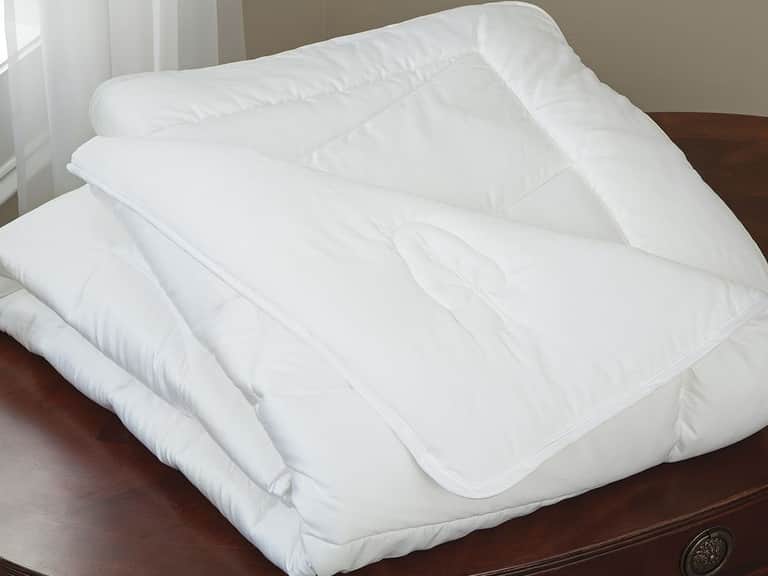
To connect theory with practice, consider a contemporary product that embodies these ideals. The Downton Company Ecco Comforter, a Lyocell/Tencel-filled option, demonstrates how modern materials intersect with traditional bedding aesthetics. While not a duvet cover, it offers a relevant context for breathability and temperature regulation—concepts that extend to duvet covers and their fabrics. It showcases how an eco-conscious fiber (Lyocell) can deliver moisture management and a silky hand, complementing a crisp organic percale duvet cover.
For readers seeking a direct match within the article’s scope, an organic percale duvet cover from a reputable brand, such as Coyuchi or Sleep and Beyond, can serve as a practical example. A duvet cover in a 300-thread-count organic cotton percale with a GOTS certification would illustrate the ideals discussed—breathability, safety, durability, and hotel-like finish.
Conclusion: A Thoughtful Path to Healthier Sleep
Organic percale duvet covers are more than a textile choice; they reflect a philosophy of sleep as a daily act of care—for ourselves, for workers, and for the planet. The crisp, breathable finish of percale, married with organic cotton and responsible finishing, offers a sleep surface that is comfortable, safe, and enduring. In selecting duvet covers, consumers are invited to weigh weave, certification, and transparency—recognizing that the most meaningful advances in comfort arise from mindful decisions made repeatedly, night after night.